
Handwriting, penmanship, this is all drawing. Hand-lettering can be another artistic tool to add to your kit.
Matthew Frederick shares 6 architectural hand-lettering principals to follow:
1. Honor legibility and consistency above all else.
2. Use guide lines (actual or imagined) to ensure uniformity.
3. Emphasize the beginning and end of all strokes, and overlap them slightly where they meet – just as in drawing lines.
4. Give your horizontal strokes a slight upward tilt. If they slope downward, your letters will look tired.
5. Give curved strokes a balloon-like fullness.
6. Give careful attention to the amount of white space between letters. An E, for example, will need more space when following an I than when coming after an S or T.
Matthew Frederick
This week, for fun, find ways to practice your architectural hand-lettering.
Write a thank-you note.
Write a love letter.
Write a haiku.
Then mail it out it to your lover, mother, or bestie.
Be sure to practice your hand-lettering on the to and from address on the envelope as well.
You’ll get some practice in, and they will receive a special gift.
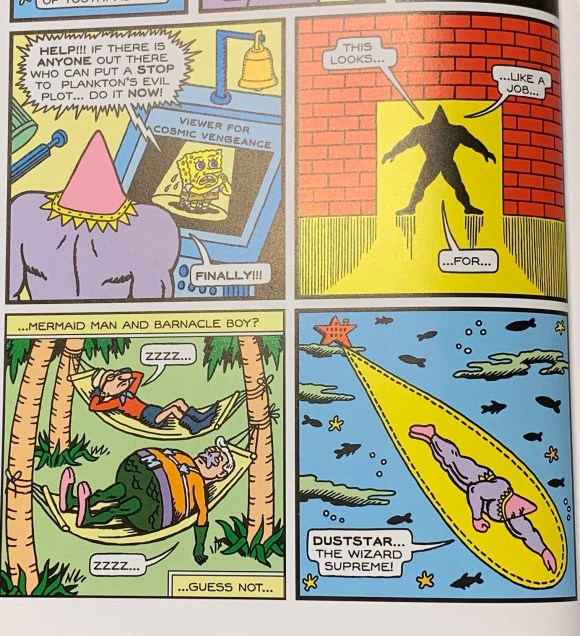
The protagonist, we’ll call him Prince, felt so heavy during gameplay. I was accustom to games like Super Mario Brothers. Mario and Luigi were light. They had spring when they jumped. They could don a racoon tail to float and fly past foes.
Prince of Persia? Na man. The Prince had weight. The realm had gravity. And as I learned, this was by design.
What if we combined that gameplay with a charachter who’s so human feeling that you feel like if you miss the jump and you fall, it’s really going to hurt?
Because in the early platform games charachters were kind of weightless. You know, you would jump, and you’d make it or not, but you’d float down to the bottom. It didn’t feel like you could really get hurt.
Jordan Mechner
This War Stories video is a revealing look at the process behind creating a video game.
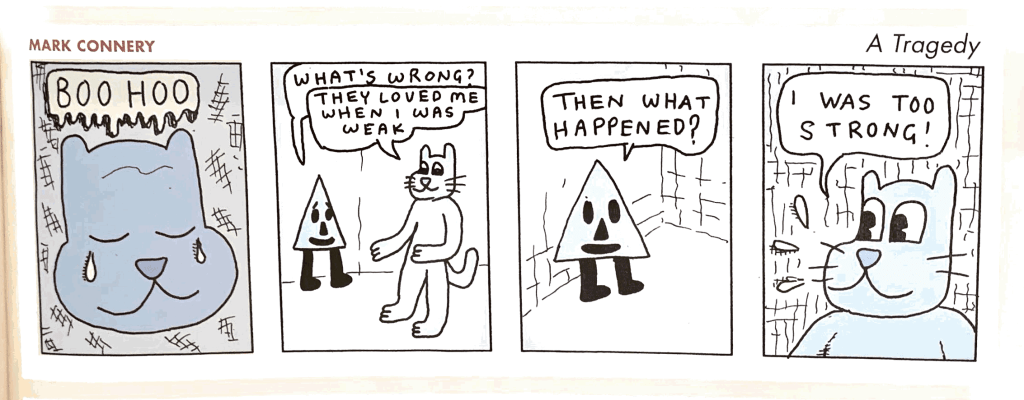
Connery, a Torontonian, has been producing his minis and comics himself, distributing them through the mail or anonymously dropping copies at punk shows, libraries, and on public transit, leaving a portion of his readership up to the vagaries of fate. Very punk indeed.
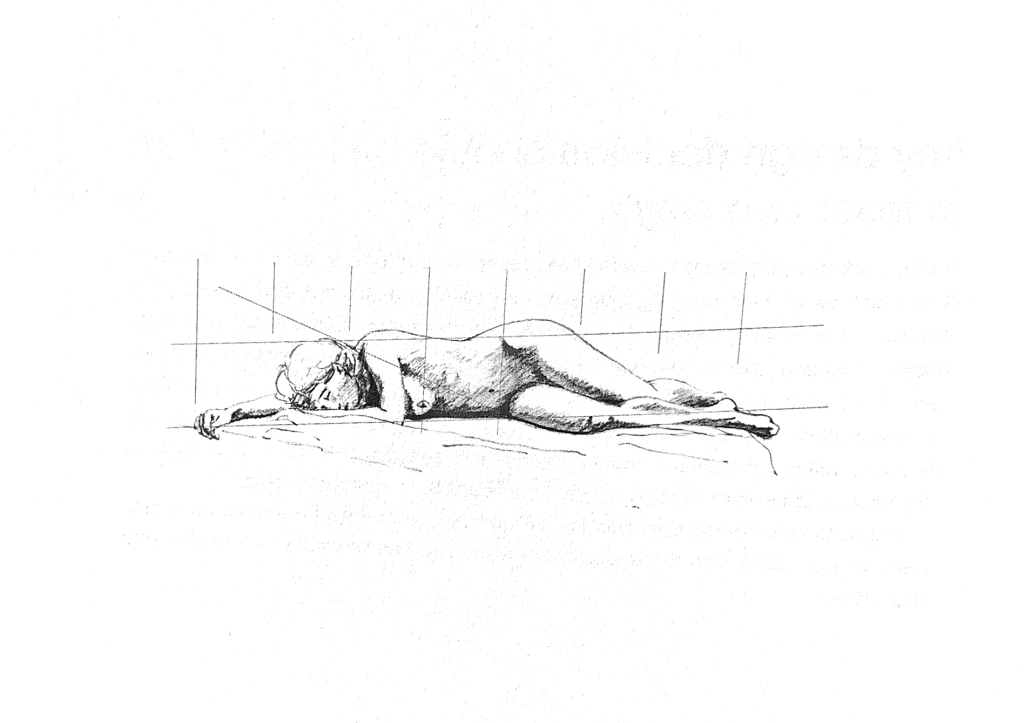
Every drawing you undertake has a hierarchy. There are the general elements. And there are the fine details.
Matthew Frederick recommends laying out the entire drawing to start.
How?
By making use of:
Light guide lines.
Geometric alignments.
Visual gut-checks.
These techniques will help ensure the proportions and placement of shapes are accurate.
After that hit the details. But don’t over indulge in one place:
When you achieve some success at this schematic level, move to the next level of detail. If you find yourself focusing on details in a specific area of the drawing, indulge briefly, then move to other areas of the drawing.